

Quartz vs Granite vs Marble Countertops: Costs & Pros & Cons
The Heart of the Greensboro Kitchen Remodel
You’re standing in your Fisher Park kitchen, staring at those outdated laminate counters. Again.
Every time you set down a hot pan, you wince. Every time guests visit, you notice them noticing. And honestly? You’re tired of apologizing for a kitchen that doesn’t match the beautiful historic home you’ve worked so hard to restore.
We get it. We’ve helped hundreds of Greensboro homeowners through this exact decision. The countertop question keeps people up at night because it’s not just about looks. You’re choosing a surface you’ll touch dozens of times every single day for the next 15-20 years.
Here’s what we’ve learned after years of kitchen remodels across College Hill, Wester wood, and beyond: the granite vs quartz vs marble debate isn’t about which material is “best.” It’s about which one fits YOUR life.
Got three kids who treat the kitchen like a science lab? You need different counters than the couple in Sunset Hills who host wine tastings every month. The busy family in Hamilton Lakes has different priorities than the design purist restoring an Aycock Historic District gem.
This guide walks you through everything. Real costs from local Greensboro suppliers. Honest pros and cons we’ve seen firsthand. And the questions our clients wish they’d asked before choosing.
No sales pitch. Just the truth about quartz countertops vs granite vs marble from people who install them every week.
Let’s figure out what works for your home.
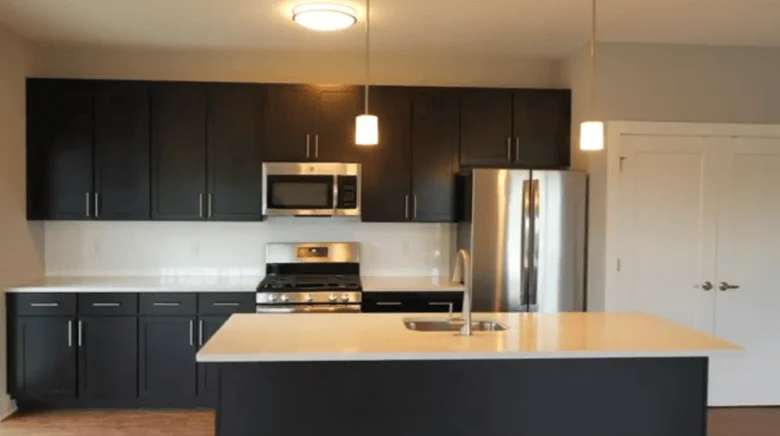
Understanding Countertop Materials: Natural Stone vs Engineered Stone
Before we compare specific materials, you need to know one fundamental thing. There are two completely different categories here.
Natural stone comes straight from the earth. Granite and marble both form deep underground over millions of years. The veining patterns, color variations, and mineral deposits you see? They happened naturally. No two slabs match exactly.
Engineered stone is manufactured in a factory. Quartz countertops contain about 90-95% crushed natural quartz mixed with resins and pigments. Think of it like this: someone took natural quartz, ground it up, added binders, and reformed it into slabs. The benefit? Consistency. The same color and pattern run through every slab.
This difference matters more than you’d think.
Natural stone requires sealing because it’s porous. Liquids can seep in and stain the surface if you don’t protect it. It’s authentic and one-of-a-kind, but it needs regular care.
Engineered stone is non-porous right out of the factory. No sealing needed. Ever. The resin creates a barrier that prevents liquids from penetrating. It’s practical and low-maintenance, but some people feel it lacks the soul of real stone.
Neither choice is wrong. We’ve installed both in stunning Lindley Park kitchens that look incredible. The question is: what trade-offs are you willing to make?
Want the organic beauty and character of something formed over millennia? Go natural. Want something that laughs at red wine spills and never needs sealing? Go engineered.
Now, let’s look at each material specifically.
Granite Countertops: The Definitive Natural Stone
What Is Granite?
Granite forms when magma cools slowly deep in the Earth’s crust. The slow cooling creates those distinctive speckled patterns you recognize instantly.
It’s an igneous rock composed mostly of quartz and feldspar. Depending on what else was in that magma millions of years ago, you might see flecks of mica, amphibole, or other minerals.
The stone gets quarried in massive blocks, then sliced into slabs about 3cm thick. We source most of our granite from Brazil, India, and China, though some comes from right here in North America.
Every slab tells a geological story. The colors range from classic blacks and grays to blues, greens, reds, and even purples. The patterns can be subtle and uniform or wild and dramatic.
Pros of Granite Countertops
Heat resistance tops the list. You can pull a pot off the stove and set it directly on the granite. No trivet needed. We’ve seen clients do this for 15 years without a single scorch mark.
Each slab is genuinely one of a kind. When you choose granite, you’re choosing a specific piece of earth’s history. Your neighbor might have “the same granite,” but look closely, and you’ll spot differences.
It adds serious resale value. Greensboro buyers still love seeing granite in listings. It signals quality and permanence in a way that wins over home shoppers.
Durability is real. Properly sealed granite handles daily kitchen abuse without complaint. Knife scratches? Nearly impossible. Chips from dropping heavy pots? Rare unless you really try.
The cost has come down significantly over the past decade. What used to be a luxury splurge now fits into moderate remodeling budgets.
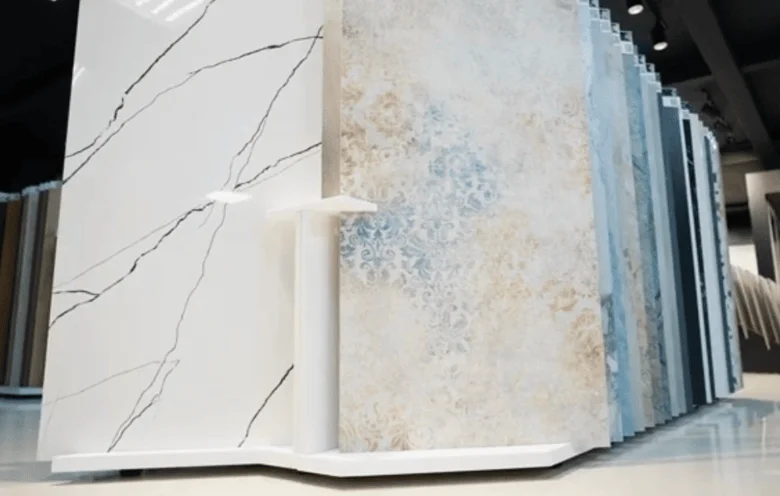
Cons of Granite Countertops
Sealing is non-negotiable. You’ll need to reseal every 1-2 years, depending on the specific granite variety. Some darker granites are denser and need less frequent sealing. Lighter colors often need more attention.
It’s porous by nature. Spill red wine or beet juice and leave it overnight? You might have a permanent reminder. Oil-based substances can seep into the stone and darken it if you’re not careful.
Seams show on longer runs. Your fabricator will try to place them strategically, but large kitchens need multiple slabs. The seams rarely disappear completely.
Some varieties have naturally occurring fissures. These are not cracks and won’t spread, but they can look concerning to homeowners who don’t know what they’re seeing. We always point these out during selection.
Weight matters. Granite is heavy. You need solid cabinet construction underneath. Older homes sometimes require reinforcement before installation.
Ideal For
The cooking enthusiast who’s always working with hot pots and pans. Granite doesn’t flinch at heat.
Homeowners who want authentic natural stone character. If the idea of engineered materials feels wrong to you, granite delivers.
Families who don’t mind a simple annual sealing routine. It takes maybe 30 minutes once a year. If that doesn’t sound horrible, granite works great.
Anyone wanting proven resale value. Greensboro real estate agents consistently tell us granite still impresses buyers.
Budgets that can handle $40-100 per square foot installed. We’ll get into specific Greensboro pricing later.
Quartz Countertops: The Engineered Champion
What Is Quartz?
Quartz countertops don’t come from a quarry. They come from a manufacturing facility.
The process starts with natural quartz crystals. Manufacturers crush these crystals into small pieces. Then they mix roughly 90-95% crushed quartz with 5-10% polymer resins and pigments.
The mixture gets poured into molds, vibrated to remove air bubbles, compressed under intense pressure, and heated. What comes out is a solid slab that’s harder than most natural stones.
Brands like Caesar stone, Cambria, and Silestone dominate the market. Each has proprietary resin formulas and manufacturing processes. The differences between brands are real but subtle.
You can get quartz that mimics marble, granite, or concrete. Or go with solid colors that don’t exist in nature. The design flexibility is honestly impressive.
Pros of Quartz Countertops
Zero maintenance beyond normal cleaning. No sealing. Not now, not ever. Wipe it down with soap and water, and you’re done.
It’s non-porous at the molecular level. The resin creates a barrier that prevents staining. We’ve had clients spill red wine, leave it for hours, and wipe it away without a trace.
Consistency across slabs makes planning easier. If you need three slabs for a large kitchen, they’ll match perfectly. No surprises when the second slab arrives.
Strength is exceptional. Quartz rates about 7 on the Mohs hardness scale. It resists scratches, chips, and cracks better than most alternatives.
Bacterial resistance matters in kitchens. The non-porous surface doesn’t harbor bacteria like porous stones can. It’s genuinely more hygienic.
Color options are virtually unlimited. Want pure white with no veining? Done. Want black with gold flecks? They make that too. Anything you can imagine probably exists.
Cons of Quartz Countertops
Heat intolerance is the big weakness. Those resins that make quartz non-porous? They don’t love high heat. Set a hot pan directly on quartz, and you might discolor or damage the resin. Trivets are mandatory.
Direct sunlight can cause problems over time. UV rays can yellow or fade some quartz colors, especially whites. This rarely matters indoors, but outdoor kitchens are a definite no.
It looks manufactured because it IS manufactured. Some people love the consistency. Others find it lacks the organic randomness of natural stone. This is totally personal preference.
Seams still exist on long runs. The seams often blend better than granite because of pattern consistency, but they’re still there.
Weight is comparable to granite. You still need strong cabinets and proper support.
The cost has crept up. What used to be the budget-friendly alternative now often costs the same or more than mid-range granite.
Ideal For
Busy families who want to set it and forget it. No sealing schedules, no stain anxiety, just use your kitchen.
People who love a specific look and want it to be consistent. If you found the perfect white quartz, every square foot will match.
Homes with kids who spill everything. The non-porous surface forgives almost anything.
Anyone who hates maintenance routines. If the thought of resealing granite sounds annoying, quartz is your answer.
Modern design aesthetics. Quartz fits beautifully into contemporary and transitional kitchens.
Marble Countertops: The Epitome of Luxury
What Is Marble?
Marble starts as limestone or dolomite deep underground. Heat and pressure turn it into metamorphic rock over millions of years.
That process creates the flowing veins. Mineral impurities like clay, silt, sand, and iron oxides get folded and swirled.
Classic white marble comes from Carrara, Italy. But quarries worldwide produce white, black, green, pink, even purple varieties.
It’s softer than granite — 3–4 on the Mohs scale vs granite’s 6–7. That softness allows intricate carving but makes it more vulnerable.
Marble has been prized for thousands of years. Michelangelo carved David from Carrara marble. The Taj Mahal is clad in white marble. It signals luxury.
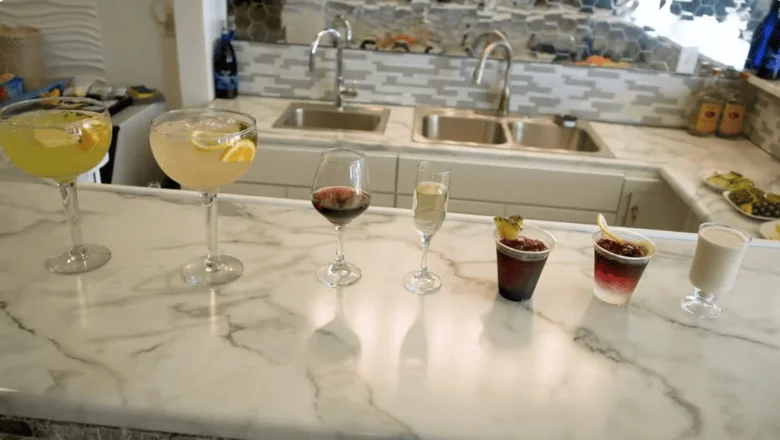
Pros of Marble Countertops
Nothing else looks like real marble. The depth, translucence, and veining patterns are unmistakable. It’s the ultimate statement material.
It develops a patina over time. Some people hate this. Others love how marble “lives” with you, showing a record of use and age. It’s like a fine leather jacket that gets better with wear.
Heat resistance is excellent. Like granite, marble handles hot pots without damage. The stone itself won’t scorch or discolor from heat.
It stays naturally cool. This makes marble popular for baking stations. Pastry chefs love working with dough on cold marble surfaces.
The resale appeal in luxury homes is undeniable. Show a high-end buyer a Calacatta marble kitchen and watch their eyes light up.
Cons of Marble Countertops
It stains easily. Marble is calcium carbonate, which reacts with acids. Lemon juice, tomato sauce, wine… these can etch or stain if not wiped immediately.
Scratches happen. That softness that allows such beautiful carving also means knives can scratch the surface. Cutting boards aren’t optional.
Etching with acids creates dull spots. Even water spots can show on polished marble. Some people find this character. Others find it stressful.
Maintenance is intense. You’ll seal it frequently, probably every 3-6 months, depending on use. Even then, stains can happen.
The cost reflects the luxury positioning. Real marble, especially Carrara or Calacatta, runs significantly more than granite or quartz.
It’s not practical for heavy-use kitchens. If you cook daily and entertain constantly, marble will show wear quickly.
Ideal For
The design purist who prioritizes beauty over practicality. If you’re willing to work around marble’s quirks for that unmatched aesthetic, go for it.
Baking enthusiasts who want a dedicated pastry station. A marble island insert gives you the cold surface pastry work demands.
Low-use spaces like wet bars, bathroom vanities, or formal butler’s pantries. Places where appearance matters more than durability.
Homeowners who appreciate natural aging. If you love the idea of your counters telling a story over decades, marble delivers that in spades.
Luxury renovations where budget isn’t the main concern. When you’re building your dream kitchen and nothing else will do.
Head-to-Head Comparison: Granite vs Quartz vs Marble Countertops
Composition & Aesthetics Comparison
| Feature | Granite | Quartz | Marble |
|---|---|---|---|
| Composition | Natural igneous rock | Engineered (90–95% quartz + resin) | Natural metamorphic rock |
| Heat Resistance | Excellent | Poor (use trivets) | Excellent |
| Staining | Possible if unsealed | Very resistant | Easy to stain/etch |
| Sealing | Required 1–2 years | Never | Required 3–6 months |
| Durability (Mohs) | 6–7 | 7 | 3–4 |
| Consistency | Unique slabs | Consistent across slabs | Unique slabs |
| Maintenance | Moderate | Minimal | High |
| Cost (installed/sq ft) | $40–$100 | $60–$120 | $75–$200+ |
| Resale Appeal | Strong | Strong | Very strong in luxury |
Granite wins for organic, natural variation. Every slab is different. You get movement, depth, and character that formed over eons. The look is warm and earthy.
Quartz wins for consistency and modern options. You can match slabs perfectly or choose colors nature never made. The look is clean and controlled.
Marble wins for timeless luxury and drama. Those flowing veins and translucent quality can’t be replicated. The look is elegant and sophisticated.
In terms of aesthetics, there’s no objective winner. Walk through a few Greensboro showrooms and see what makes your heart race. That’s your answer.
Durability & Maintenance Face-Off
Quartz takes the crown for durability in daily use. It’s harder than granite, non-porous, and nearly stain-proof. You can abuse quartz, and it barely notices.
Granite sits in the middle. It’s plenty durable for normal kitchen use, but needs annual sealing. Treat it reasonably well, and it’ll last decades without issues.
Marble ranks last for durability. It scratches, stains, and etches if you look at it the wrong way. But if you accept this going in, it can still work.
For ease of maintenance, quartz wins hands down. Nothing to seal, minimal fussing required. Granite needs annual attention. Marble needs constant care.
If you hate maintenance, quartz is your only real choice. If you don’t mind a simple annual sealing, granite works fine. If you’re willing to baby your counters, marble can be worth it.
Cost Comparison (Greensboro Market)
Current pricing in Greensboro varies by material quality and fabricator. Here’s what we’re seeing in 2025:
Granite: $40-100 per square foot installed. Basic colors like Ubatuba or Black Pearl run cheaper. Exotic varieties with complex patterns cost more.
Quartz: $60-120 per square foot installed. Entry-level brands start around $60. Premium options like Cambria or Caesar stone hit $100+.
Marble: $75-200+ per square foot installed. Basic white marble starts around $75. Calacatta or book-matched slabs can easily exceed $200.
These prices include fabrication and installation. They assume a standard kitchen with one or two seams. Complicated cutouts, fancy edge profiles, and multiple seams add cost.
For a typical 50 square foot Greensboro kitchen:
- Granite: $2,000-5,000 total
- Quartz: $3,000-6,000 total
- Marble: $3,750-10,000+ total
Keep in mind that granite and marble require periodic sealing. Figure $20-40 per year for a good quality sealer.
Quartz costs nothing extra after installation. Ever.
Pros & Cons Summary Table
| Material | Pros | Cons | Best For Greensboro Homeowners |
|---|---|---|---|
| Granite | Heat resistant (hot pans no problem) • Unique natural patterns • Strong resale value • Durable when sealed • Affordable mid-range options | Needs sealing 1–2 years • Can stain if not sealed • Seams visible on long runs • Heavy (may need cabinet support) | Cooking enthusiasts • Families who don’t mind annual sealing • Historic homes in Fisher Park or Aycock |
| Quartz | No sealing ever • Non-porous (stains wipe away) • Consistent look across slabs • Very hard and scratch-resistant • Hygienic | Can’t handle direct heat (trivets required) • Fades in sunlight (rare indoors) • Looks manufactured • Seams still exist | Busy families • Parents with kids who spill • Modern homes in Northwest Greensboro or Friendly Acres |
| Marble | Unmatched beauty and veining • Develops beautiful patina • Excellent heat resistance • Naturally cool for baking • Luxury resale appeal | Stains and etches easily • Scratches readily • Needs frequent sealing • High maintenance • Expensive | Design lovers • Baking enthusiasts • Luxury renovations in Sunset Hills or Lindley Park |
Choosing the Right Countertop for Your Greensboro Home
For the Busy Family
You’ve got kids doing homework at the kitchen island. Someone’s always spilling milk or juice. Cooking happens daily, often in a rush.
Go with quartz. Seriously.
We’ve installed quartz in dozens of Hamilton Lakes and Lake Jeanette family homes. Parents tell us the same thing: they love not having to worry about every spill or hot pan.
The stain resistance alone is worth it when you’re dealing with spaghetti sauce, grape juice, and whatever science experiments happen on the counter. Wipe it down and move on with your life.
Choose a pattern with some variation. Solid colors show every water spot and crumb. A subtle pattern hides the daily mess better.
Cambria, Silestone, and Caesarstone all offer durable, family-friendly options. We’ve had great results with all three brands.
For the Natural Stone Purist
You want the real thing. Something that came from the earth, not a factory.
Granite is your material. The marble vs granite vs quartz debate ends quickly when authenticity matters most to you.
Pick a granite with movement and character. The boring tan builder-grade granite gives the whole material a bad reputation. Look at varieties like Blue Pearl, Taj Mahal, or Black Forest. These show what granite can really do.
Yes, you’ll seal it annually. But honestly? It takes 20 minutes. You wipe on the sealer, let it sit, buff it off. Done for another year.
We’ve installed granite in beautiful historic Aycock and Irving Park homes. It fits perfectly with restored hardwoods and original architectural details.
Natural materials belong together. Your home will thank you.
For the Luxury Seeker
Money isn’t the main concern. You want something special that makes a statement.
Marble is calling your name. Specifically, Carrara or Calacatta marble.
We’re not going to pretend it’s practical. It’s not. But neither is a sports car nor a designer handbag. Some things you choose purely because they make your heart sing.
Here’s how to make marble work: Accept the patina. Embrace the etching and minor stains as part of the material’s story. Use cutting boards religiously. Wipe up spills immediately.
Consider limiting marble to a specific area. A marble island with quartz perimeter counters gives you the drama without the full commitment.
Or go all-in and live with the imperfections. Some of our most beautiful Sunset Hills and Fisher Park kitchens have honed marble that looks better with age.
Just know what you’re signing up for.
Based on Home Type
Historic homes in Aycock, Fisher Park, or College Hill: Granite or marble better fit the era than engineered quartz. Choose materials that honor your home’s character.
Modern homes in Northwest Greensboro or Friendly Acres: Quartz’s clean lines and consistent patterns complement contemporary architecture beautifully.
Transitional styles common in Westerwood and Lindley Park: Any material works. Let your lifestyle and budget decide.
Builder-grade homes you’re upgrading in Hamilton Lakes or Green Valley: Granite or quartz both add significant value. Skip marble unless you’re doing a luxury renovation.
Older homes with potential cabinet strength issues: Get your cabinets checked before choosing. Both granite and quartz are heavy. You might need reinforcement.
The Greensboro Perspective: Local Trends & Expert Insight
Popular Countertop Trends in Greensboro, NC
White and gray quartz dominate new kitchen remodels. We’re installing more Cambria Brittanicca and similar whites than anything else right now.
Homeowners in Dunleath and New Irving Park are loving quartz that mimics marble. They get the Carrara look without the maintenance headaches.
Black granite is making a comeback. After years of tan and beige, we’re seeing more requests for dramatic black counters with white cabinets. It’s bold, and it works.
Waterfall edges on islands keep trending up. This works beautifully with both quartz and granite. Marble too, if you’re committed to it.
Matte finishes are replacing the polished looks of the past decade. Leathered granite and honed quartz give a more organic, lived-in feel.
Thicker slabs (2cm becoming 3cm) add presence and value. The upgrade cost is modest, but the visual impact is significant.
Climate & Lifestyle Considerations
Greensboro’s humidity doesn’t directly affect any of these materials. All three handle moisture fine.
But our cooking culture matters. Southern kitchens see serious use. We fry chicken, bake biscuits, and cook large family meals regularly.
This favors granite and quartz over marble. You need surfaces that can handle real cooking without constant anxiety.
Outdoor kitchens are growing in popularity. For these, granite is your only choice. Quartz fails in UV light. Marble etches from rain. Granite handles North Carolina weather beautifully.
Our hard water can leave spots on any surface. Dark colors show this more than light ones. Keep that in mind during selection.
Working With Trusted Local Fabricators & Installers
Why Professional Installation Is Non-Negotiable
We’ve seen DIY countertop disasters. Don’t become one.
These materials weigh hundreds of pounds per slab. Moving them requires equipment and expertise. One wrong move and you’ve got a cracked $3,000 piece of stone.
Seams need precision cutting and perfect alignment. An eighth of an inch off and you’ll see it every single day.
Sink cutouts, cooktop openings, and faucet holes require specialized tools and experience. Mess these up, and you’re buying another slab.
Support and substrate preparation matter tremendously. Improper support leads to cracks. Poor substrate causes uneven surfaces.
Professional fabricators also handle templating. They measure your exact kitchen, account for out-of-square walls, and ensure a perfect fit.
The cost difference between DIY and professional installation isn’t worth the risk. Pay the experts.
What to Look for in a Greensboro Countertop Company
Experience with your specific material. A granite specialist might not be well-versed in quartz. Ask about their expertise with the material you’re choosing.
Local references you can actually visit. Any good fabricator has completed kitchens that you can see in person around Greensboro.
Showroom or slab yard access. You need to see and touch materials before choosing. Pictures don’t capture reality.
Warranty coverage on fabrication and installation. Materials come with manufacturer warranties. Good installers warranty their work separately.
Clear timeline from template to installation. Most projects take 2-3 weeks. Be suspicious of anyone promising next-day installation.
Detailed written estimates. Price per square foot, edge profiles, cutouts, and installation should all be itemized clearly.
Maintenance, Longevity & Resale Value
Daily & Long-Term Care Tips
For Granite: Use pH-neutral stone cleaners. Avoid vinegar, lemon, or acidic cleaners. Wipe spills quickly, especially oils and acids. Reseal annually using a quality impregnating sealer. Test by dropping water on the surface. If it beads up, you’re good. If it soaks in, it’s time to reseal.
Use cutting boards always. While granite resists scratches, why risk it? Hot pots are fine, but trivets extend the life of your sealer.
For Quartz: Clean with mild soap and water. That’s honestly it. Avoid abrasive cleaners, as they can dull the surface over time. Always use trivets for hot pots. This is the material’s only real weakness. Wipe up spills because you should, not because you have to. No sealing needed. Ever.
For Marble: Clean immediately with a pH-neutral marble cleaner. Blot spills instantly. Leaving anything acidic for even minutes can etch. Use coasters under everything. Water rings will etch polished marble. Cutting boards are mandatory. Marble scratches easily. Seal every 3-6 months, depending on use. Accept that etching will happen. Fighting it makes you miserable.
Which Countertop Adds the Most Home Value in Greensboro?
Real estate agents consistently tell us that granite and quartz add comparable value. Marble adds value in luxury homes but can actually hurt in middle-market homes where buyers worry about maintenance.
According to Greensboro Realtors we work with regularly, kitchens with quality counters (granite or quartz) recover about 75-85% of installation cost at resale.
But here’s the real truth: The best countertop for resale is the one that makes your kitchen look updated and cohesive. A beautiful quartz kitchen sells better than an ugly granite one.
Buyers in Fisher Park and Aycock expect higher-end finishes. Granite or marble fits these neighborhoods.
Buyers in newer developments around Hamilton Lakes expect modern, low-maintenance features. Quartz fits perfectly.
Match your countertop choice to your neighborhood and overall kitchen design. That’s what adds value.
Frequently Asked Questions
Final Verdict: Quartz vs Granite vs Marble Countertops
After hundreds of Greensboro kitchens, here’s our honest take.
Most families pick quartz — durable, no sealing, handles daily chaos. Granite suits those who love natural stone and don’t mind yearly sealing — it’s proven and adds resale value. Marble? Pure luxury for beauty lovers willing to care for it.
The choice isn’t about “best.” It’s about your life. Busy cooks? Quartz. Natural stone fans? Granite. Statement seekers? Marble.
We’ve seen them all work beautifully — and fail when mismatched. Visit showrooms, touch the slabs, think about how you actually live.
The perfect countertop is waiting. Call (336) 203-8101 — we’ll help you find it.